A property fire is one of the most traumatic events a home or business owner can experience. The aftermath leaves behind a complex trail of destruction involving structural instability, water damage from firefighting efforts, and pervasive smoke odors. Navigating this chaotic period requires clear thinking and decisive action. This guide to fire damage restoration covers everything you need to know about returning a property to its pre-loss condition.
Immediate Steps To Take After a Fire
Safety is the primary concern immediately following a fire. Property owners should never reenter a building until fire officials deem it safe. Structural damage can be hidden, and roofs or floors may be compromised even if they appear intact. Once officials grant permission, the focus shifts to securing the site and preventing further damage.
Contacting a professional restoration company is the next critical step. A reputable provider will offer 24/7 emergency response and arrive quickly to secure the property. This often involves boarding up missing windows, covering damaged roofs with tarps, and erecting temporary fencing to prevent theft or liability issues.
At the same time, property owners must contact their insurance provider. Initiating the claims process early will ensure that the necessary resources are available for the restoration work. Documentation is vital during this stage. Take photos of the damage, provided it is safe to do so, to establish a record of the loss before cleanup begins.
The Critical Phases of Fire Restoration

Restoring a property after a fire is a multistep process. Each phase addresses a specific type of damage to facilitate a comprehensive recovery.
Emergency Contact and Assessment
Recovery starts with a detailed inspection, where restoration professionals assess the extent of the fire, smoke, and soot damage. They also inspect for water intrusion resulting from firefighting efforts. This assessment forms the basis of the restoration plan and outlines the scope of work, timeline, and estimated costs.
Security and Structural Stabilization
Fire often compromises the physical integrity of a building. Technicians prioritize stabilizing the structure to ensure safety for workers and to prevent collapse. This phase includes boarding up openings and reinforcing weakened structural elements. Securing the property protects it from the weather and unauthorized entry.
Water Damage Mitigation
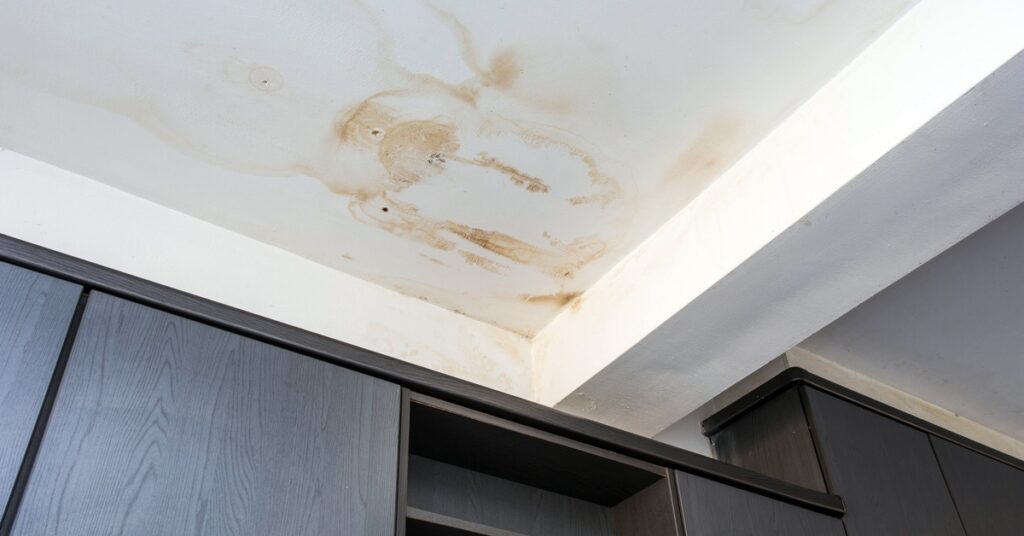
It surprises many property owners to learn that water damage often accompanies fire damage. Firefighters use thousands of gallons of water to extinguish flames. If this water sits stagnant, it fosters mold growth and causes wood to rot. Restoration crews use industrial-grade pumps and vacuums to extract standing water. They then deploy air movers and dehumidifiers to dry out carpets, drywall, and structural studs.
Smoke and Soot Removal
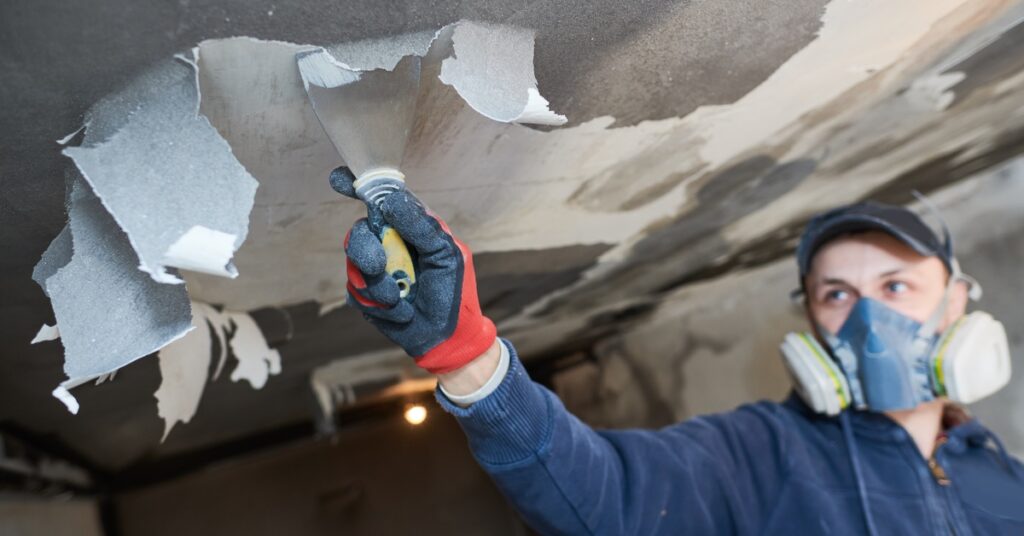
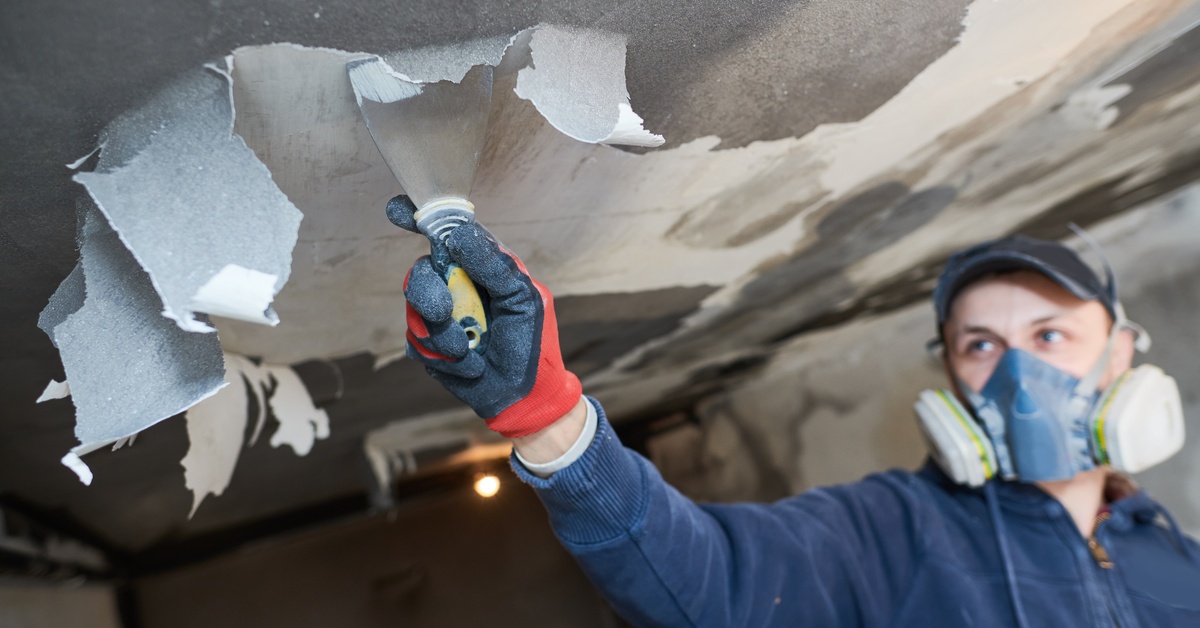
Smoke and soot usually cause more widespread damage than the fire itself. Smoke can travel through HVAC systems, affecting rooms that the fire never touched. Technicians use specialized equipment and chemical agents to remove soot from ceilings, walls, and other surfaces. Different types of fires produce different types of residues, and each requires specific cleaning protocols to remove them effectively without damaging the underlying material.
Deep Cleaning and Sanitization
Once technicians remove the visible residue, they focus on odors. Fire odors are persistent and require advanced techniques such as thermal fogging or ozone treatment to neutralize airborne particles. This phase also involves cleaning restorable items such as furniture, clothing, and electronics. Professionals use ultrasonic cleaning and other specialized methods to salvage personal belongings whenever possible.
Final Restoration and Reconstruction
The final step returns the property to its pre-fire condition. This may involve minor repairs, such as replacing drywall and painting, or major reconstruction, such as rebuilding entire rooms. The goal is to make the property look and function as it did before the disaster.
Health Risks Associated With Fire Residue
Staying in a fire-damaged home poses health risks. Fine particulate matter from smoke can penetrate deep into the lungs and cause respiratory issues. Modern homes also contain numerous synthetic materials, including plastics, foams, and treated fabrics. When these materials burn, they release complex and often toxic chemical compounds.
Soot is another concern, as it contains hazardous acids and chemicals, and prolonged exposure to it can irritate the skin, eyes, and respiratory system. If mold grows after the flames are extinguished, the spores are potent allergens and irritants. Professional remediation ensures the removal of these hazards, creating a safe environment for occupants to return.
Navigating the Insurance Claims Process
Dealing with insurance companies adds a layer of stress to an already difficult situation. A professional restoration partner proves invaluable here. Experienced companies understand the documentation that insurers require. They provide detailed inventories of damaged items, photographs of structural loss, and itemized estimates for the repair work.
Many restoration firms work directly with the insurance adjuster. Their collaboration simplifies the approval process and ensures the scope of work covers all necessary repairs. Property owners should review their policy carefully to determine coverage limits and deductibles. Clear communication between the property owner, the restoration company, and the insurance agent keeps the project moving without unnecessary delays.
Why Professional Restoration Is Essential
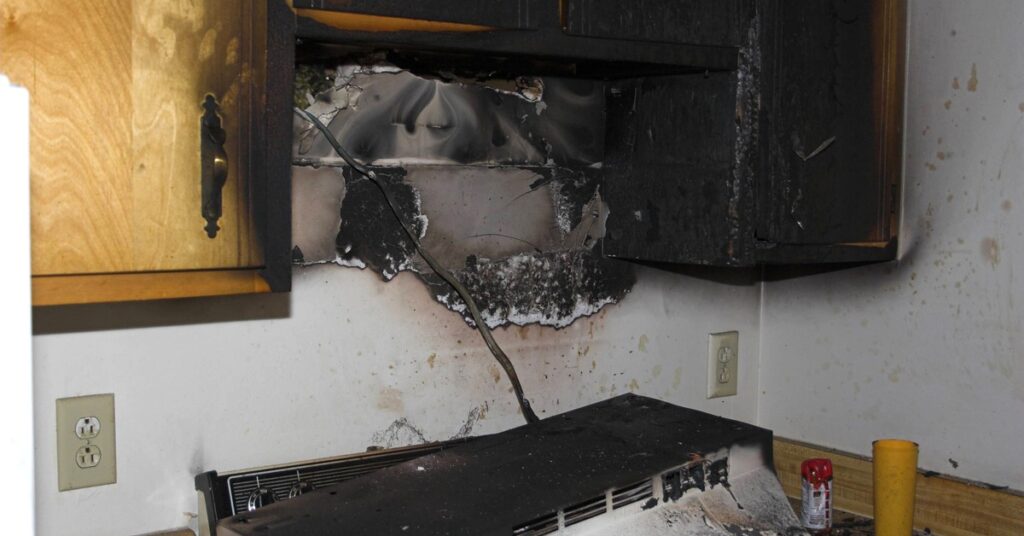
An important thing to know about fire damage restoration is that attempting to clean up fire damage without professional training often leads to further damage. Improper cleaning methods can permanently set stains or spread soot to clean areas, as household vacuums and cleaning products cannot handle the toxicity and persistence of fire residue.
Professionals bring industrial-grade equipment and specialized training to the job. They know how to identify salvageable items versus those that require disposal. Plus, they have the expertise to detect hidden damage behind walls or under floors. Working with expert disaster restoration services ensures that the property undergoes a thorough recovery process that adheres to safety standards and building codes.
Trusting the Right Experts for Your Property
Choosing the right restoration team is crucial for a smooth recovery process. Property owners in the DFW Metroplex need experts who combine technical skills with knowledge of the local climate and building materials. Phoenix Real Estate Restoration Experts is a company with decades of experience that can address the region’s unique challenges and ensure quality restoration.
Reliability and communication are key during restoration. We keep clients informed throughout the process, offering peace of mind as work progresses. Our goal is to minimize disruption to your life or business while restoring your property to its former state.
We have served Fort Worth and the DFW Metroplex for over 40 years. Available 24/7, our team handles everything and works closely with your insurance for a hassle-free experience. Don’t let fire damage shape your property’s future—contact us today for an assessment, and take the first step toward recovery.