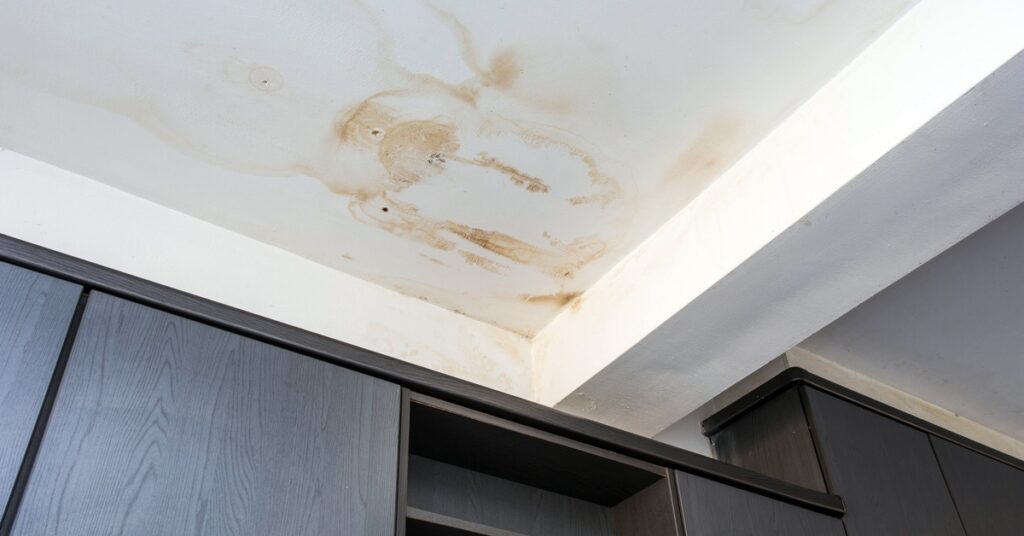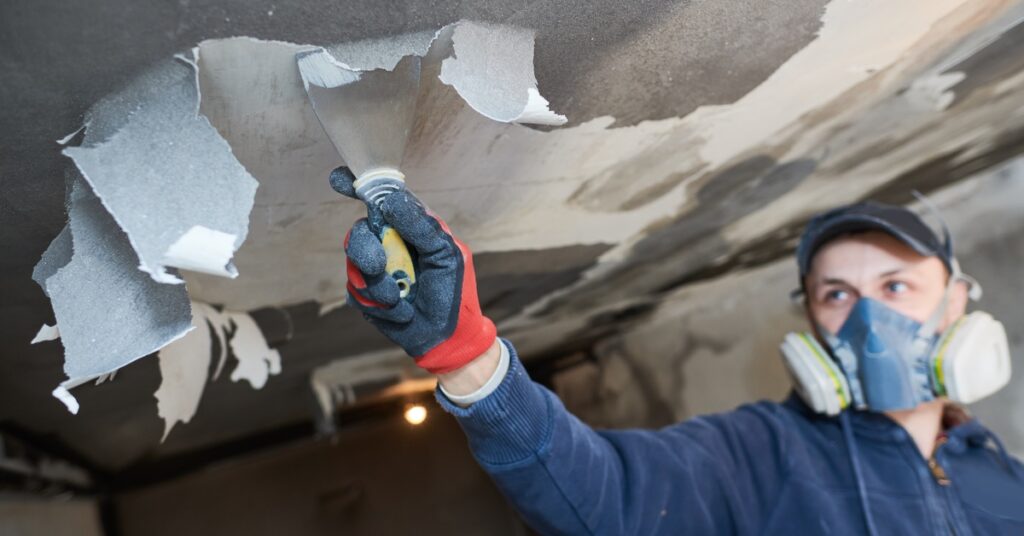

When your property sustains damage from a fire, storm, or flood, the path to recovery can feel overwhelming. Securing your home or business is the first priority, but navigating the complexities of your insurance policy often follows close behind. Understanding insurance coverage will help you collaborate productively with your provider and your restoration contractor, turning a stressful situation into a structured recovery plan.
Successfully filing a claim and getting it approved requires a detailed understanding of your policy’s terms, conditions, and limitations. This guide to insurance coverage for home restoration services will teach you how to document damage, communicate with adjusters, and ensure repairs restore your property to its pre-loss condition.
What Does Standard Homeowners Insurance Cover?
Most standard homeowners insurance policies (such as an HO-3 policy) provide coverage for your property’s structure and your personal belongings against specific “perils,” or causes of loss. While policies vary, they typically protect you from common disasters.
Covered perils usually include these:
- Fire and smoke damage
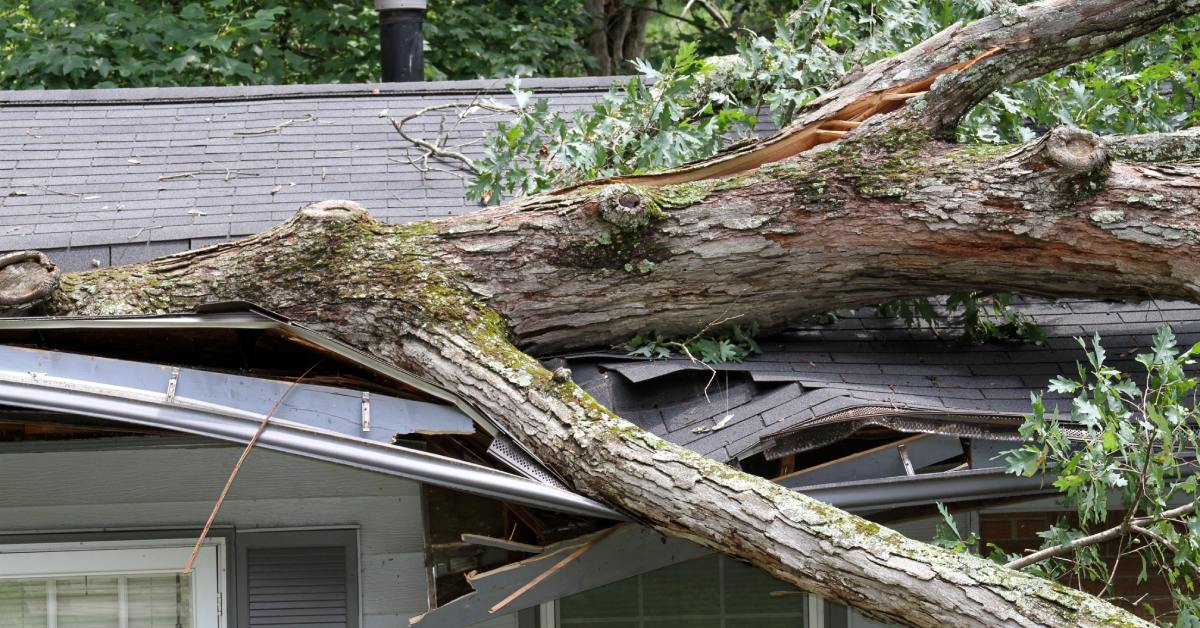
- Windstorm and hail damage
- Water damage from burst pipes or appliance malfunctions
- Theft and vandalism
- Damage from the weight of ice, snow, or sleet
Take some time to read over your policy’s declarations page, which summarizes your coverage limits. Dwelling coverage (Coverage A) applies to the main structure of your home, while other structures coverage (Coverage B) protects detached garages, sheds, and fences. Personal property coverage (Coverage C) helps replace damaged belongings.
Understanding Policy Exclusions and Limitations
It’s especially important to know what your policy does not cover. Standard homeowners insurance policies contain common exclusions that can leave property owners with unexpected out-of-pocket expenses if they are not prepared.
Typical exclusions include the following:
- Flood damage: Damage from natural flooding, such as overflowing rivers or storm surges, requires a separate policy from the National Flood Insurance Program (NFIP) or a private insurer.
- Earthquake damage: Ground movement, including earthquakes and sinkholes, is another standard exclusion that necessitates separate coverage.
- Neglect or lack of maintenance: Insurers expect homeowners to maintain their properties. Damage resulting from unresolved issues, such as a slow leak that you failed to repair, may not be covered.
- Mold damage: While mold resulting from a covered peril (such as water damage from a burst pipe) might have limited coverage, widespread mold from high humidity or poor maintenance is often excluded.
Always review your policy documents to confirm which perils are included and which are excluded. If you live in an area prone to disasters such as floods or earthquakes, securing additional coverage is a prudent investment.
How the Claims Process Works for Restoration
Initiating the insurance claim is the first step toward restoration after your property suffers damage. Acting quickly protects your property from further harm and gets the recovery process started without delay.
1. Document the Damage Thoroughly
Document the extent of the damage before any cleanup begins. Take high-resolution photos and videos of all affected areas and damaged items, and create a detailed inventory of destroyed or damaged personal property. This document should include descriptions, purchase dates, and estimated values. Documented evidence is vital for substantiating your claim with the insurance adjuster.
2. Notify Your Insurance Company
Contact your insurance agent or carrier as soon as it is safe to do so. Provide your policy number and a clear description of the incident. They will assign a claims adjuster to your case and explain the next steps, including providing you with claim forms.
3. Mitigate Further Damage
Your policy requires you to take reasonable steps to prevent additional damage. This could include boarding up broken windows, placing tarps on a damaged roof, or shutting off the water supply. A professional restoration company can perform these emergency services to secure your property. Keep all receipts for any temporary repairs, as these costs are often reimbursable.
4. Work With the Insurance Adjuster
The insurance adjuster will schedule a visit to inspect the damage firsthand. You will need to be present during the inspection to point out affected areas and answer questions. Provide them with your detailed documentation, photos, and inventory lists. The adjuster will use this information to create a “scope of loss” and estimate the cost of repairs.
5. Choose a Reputable Restoration Contractor
Your insurer may provide a list of preferred vendors, but you have the right to choose your own contractor. Select a disaster restoration company with a proven track record, proper licensing and insurance, and experience working with insurance claims. A qualified contractor can review the adjuster’s estimate and negotiate on your behalf if the initial scope of work is incomplete.
How Restoration Companies and Insurers Collaborate
An experienced restoration contractor serves as a critical link between you and your insurance company. They bring expertise in repairs and in the language and processes of the insurance industry. A professional team will document every stage of the restoration with photos and detailed notes, providing the insurer with the necessary proof to process payments.
If the insurance adjuster’s initial estimate does not fully cover the cost of proper repairs, your contractor can submit a supplemental claim. This request includes a detailed breakdown of the additional work and materials required, supported by industry-standard pricing. Their collaboration ensures that your insurer approves sufficient funds to restore your property correctly without cutting corners.

Tips To Avoid Claim Denials
Filing an insurance claim doesn’t automatically guarantee approval, and claim denials can be frustrating for property owners. To increase your chances of success, consider the following tips:
- Know your policy inside out. Understanding your policy’s coverage, exclusions, and limits is essential. Regularly review what is and isn’t covered.
- Respond quickly to damage. Insurers may deny claims if they believe you waited too long to report damage or that you allowed further deterioration to occur. Act promptly to mitigate losses.
- Document everything thoroughly. Take clear, time-stamped photos and videos of the damage as soon as possible. Keep records of all receipts, invoices, and communication with your insurer.
- Hire a reputable contractor. Choose a licensed contractor with experience in restoration and insurance claims. They can ensure your claim is accurate and negotiate with your insurer if necessary.
- Check for policy updates. Policies may change over time. If you’ve made major upgrades to your property, such as a new roof or addition, inform your insurer to ensure your coverage reflects the current value of your home.
Taking these steps can minimize the risk of claim denial and allow for a smoother recovery process.
Your Path to Recovery
Navigating insurance after property damage requires patience, diligence, and a clear understanding of your policy. Now that you’re more familiar with insurance coverage for home restoration services, you can approach the claims process confidently. Documenting damage meticulously, communicating clearly with your insurer, and partnering with a trusted restoration expert are the keys to a smooth and successful recovery.
If your DFW-area property has sustained damage, do not hesitate to act. Contact Phoenix Real Estate Restoration Experts for a comprehensive assessment. Our team is available 24/7 to provide emergency services and guide you through every step of the insurance and restoration process. We’ll make sure your property is returned to its pre-loss condition swiftly and professionally.