Water can be a quiet intruder. It can seep into drywall, drip slowly behind cabinets, and saturate subfloors long before you notice a puddle. Unfortunately, ignoring these subtle indicators can cause severe structural issues and costly repairs.
Early detection can turn a potential disaster into a manageable repair. It protects your property value and ensures the safety of your living environment. You need to know how to spot hidden signs of water damage in your home so you can act fast.
Visual Indicators on Walls and Ceilings
Your walls and ceilings often reveal the first clues. These signs usually appear as subtle changes in texture or color.
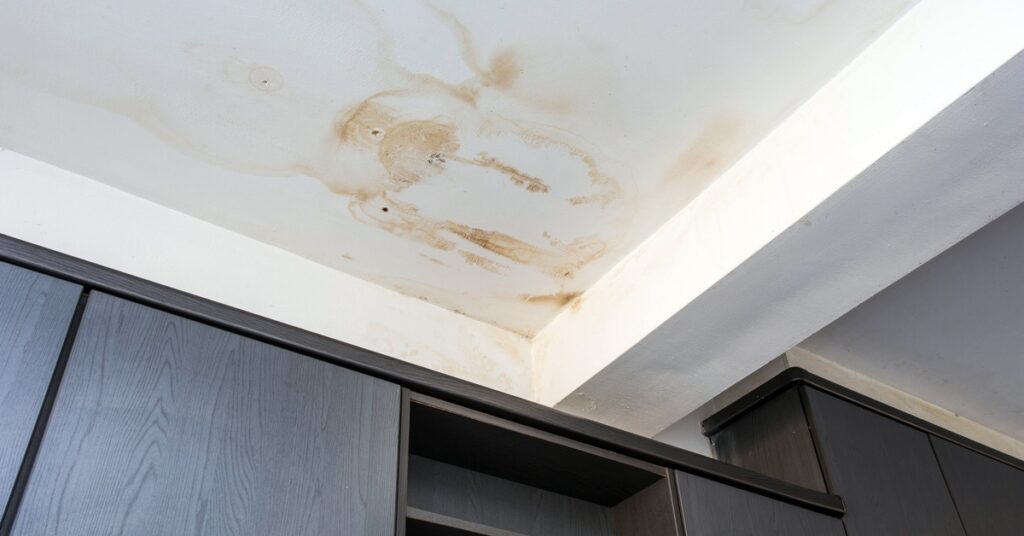
Discoloration and Stains
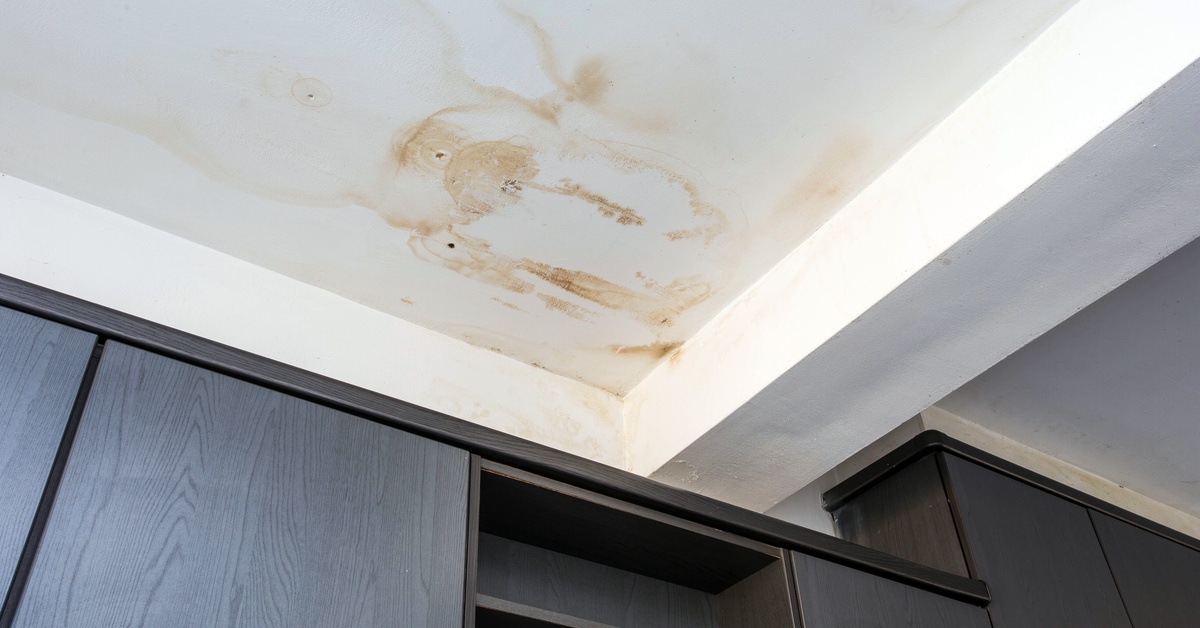
Water moves through drywall and plaster, leaving mineral deposits behind. These deposits create yellow, brown, or copper-colored stains. You might see a faint ring on the ceiling or a streak running down a wall. Even small stains indicate an active leak above or behind the surface. Many homeowners make the mistake of simply painting over these marks. Paint covers the stain, but it does not stop the water. The moisture will continue to rot the material beneath.
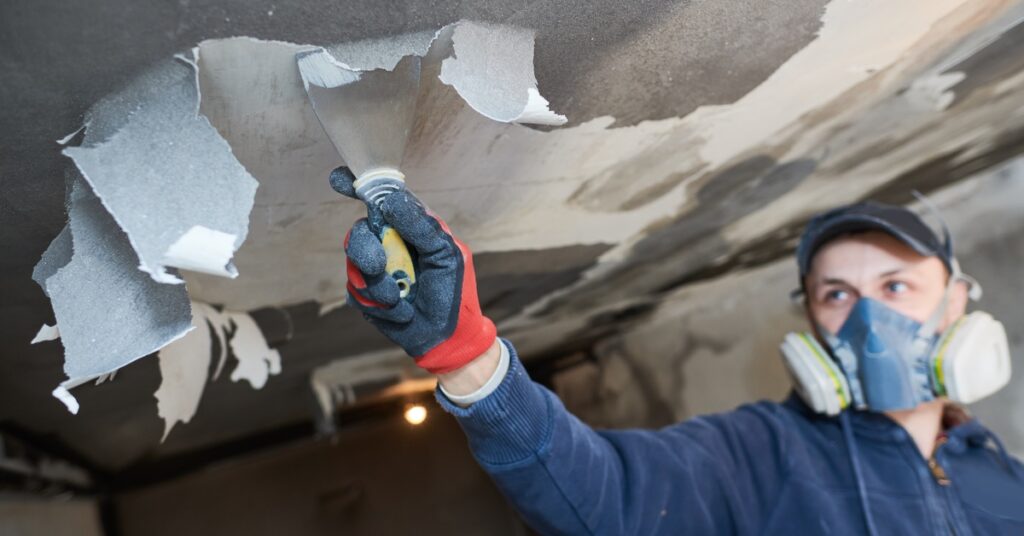
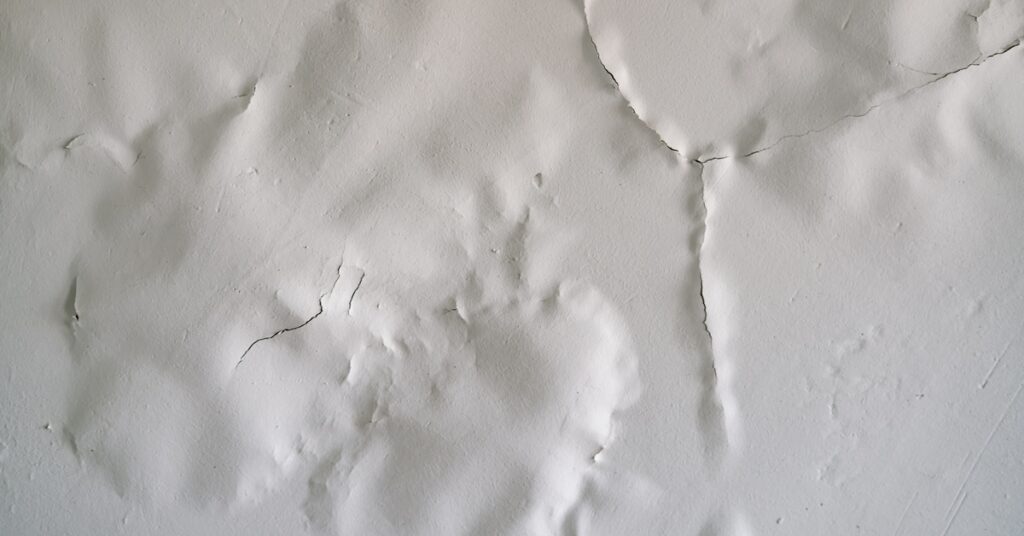
Bubbling, Peeling, or Cracking Paint
Moisture breaks the bond between paint and the wall surface. When water saturates drywall, the material swells. This pressure pushes the paint outward, causing it to bubble or peel. In severe cases, the drywall itself can become soft and spongy. If you press on a wall and it yields to your touch, the sheetrock likely holds a lot of water.
Warped Baseboards
Water follows gravity and eventually settles at the floor level. Baseboards absorb this moisture and begin to separate from the wall or warp outward. If you notice a gap opening between your trim and the drywall, investigate the area immediately.
Changes in Flooring
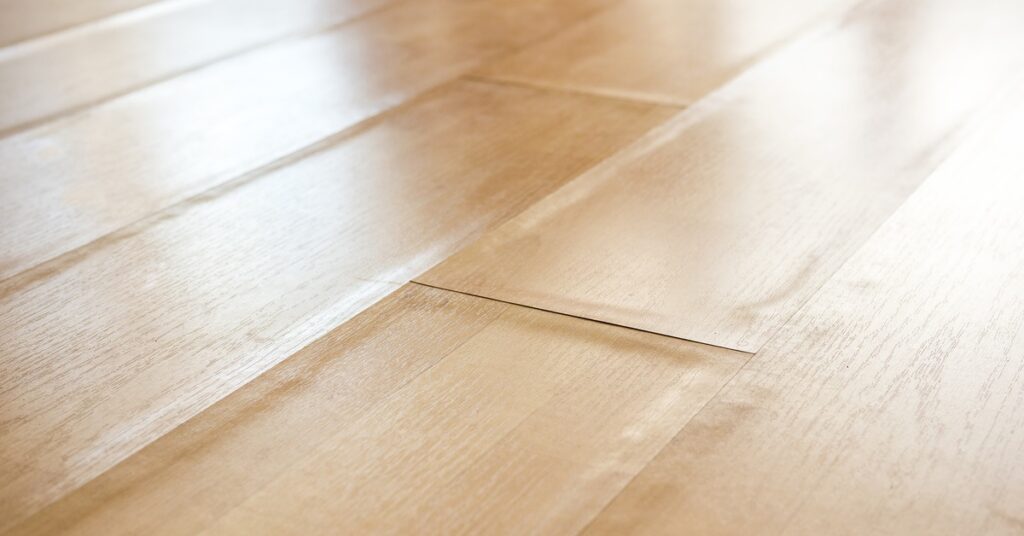
Your floors endure a lot of wear and tear, but water damage creates specific types of distortion. Different flooring materials react uniquely to moisture.
Hardwood Flooring Issues
Wood creates a distinct pattern when wet. Cupping occurs when the edges of a board turn upward while the center dips. This happens because moisture absorbs into the bottom of the board from a wet subfloor. Conversely, crowning happens when the center of the board rises higher than the edges, usually indicating moisture on the surface. Dark spots on hardwood also suggest that mold or mildew has begun to grow within the grain.
Tile and Grout Problems
Ceramic and stone tiles resist water, but the subfloor beneath them does not. When wood or concrete subfloors swell due to moisture, they push tiles loose. You might hear a hollow sound when you step on a tile or notice grout cracking and crumbling. Loose tiles often signal that a slow leak has rotted the structure underneath.
Laminate and Vinyl Separation
Laminate flooring swells quickly when exposed to water. The edges often peel upward, and the layers may delaminate. Vinyl tiles might bubble or peel up at the corners. These materials trap water underneath them, creating a perfect environment for mold growth if you do not address the source quickly.
Odors and Air Quality
Sometimes your nose detects a problem before your eyes do. Water creates a damp environment where bacteria and mold thrive.
Persistent Musty Smells
An earthy odor is a strong indicator of hidden water. This smell resembles wet cardboard or dirty socks. It usually points to mold or mildew growing in a dark, damp area, such as inside a wall cavity, under a sink, or in the attic. Even if you scrub the room, the smell will return if you fail to remove the moisture source.
Unexplained Humidity
Water evaporating from a leak increases the humidity in a room. You might notice that the air feels heavy or clammy. Windows might develop condensation on the inside pane even when it is not cold outside. High indoor humidity accelerates damage to wood furniture and encourages mold spores to spread.
Auditory Clues and Physical Sensations
A quiet home can reveal secrets if you listen closely. Turn off appliances and electronics to perform an auditory check.
Dripping or Rushing Sounds
You might hear the faint sound of dripping water behind a wall or beneath the floor. A hissing sound usually indicates a break in a pressurized supply line. Check your water meter if you hear water running when no one is using a faucet or toilet. If the dial moves while everything is off, you have a leak.
Temperature Changes
Evaporation causes cooling. A wet area on a wall or floor often feels cooler to the touch than the surrounding dry areas. Restoration professionals use thermal imaging cameras to see these temperature differences, but you can often detect larger leaks with a simple touch test.
Exterior Warning Signs
Water intrusion often starts from the outside. Inspecting the exterior of your property helps you catch issues before rain enters your living space.
Roof and Gutter Issues
Missing or damaged shingles allow water to penetrate the roof deck. Check your gutters for clogs. When leaves block gutters, water overflows and runs down the siding, eventually finding a way behind the cladding. Look for moss or algae growth on exterior walls, as this suggests continuous moisture exposure.
Foundation Cracks
Soil expands when wet and contracts when dry. Poor drainage around your home directs water toward the foundation. This constant movement causes the concrete to crack. Water then seeps through these cracks into crawl spaces or slab foundations. Inspect the ground around your home to ensure the soil slopes away from the structure.
High-Risk Areas To Monitor
Certain areas of the home experience plumbing failures more often than others. Regular checks in these zones prevent surprises.
- Check the cabinetry beneath the kitchen and bathroom sinks. Look for warping wood or damp items stored there.
- Inspect the hoses behind washing machines, dishwashers, and refrigerators with ice makers. These lines can become brittle and crack.
- Look for rust at the bottom of your water heater tank and moisture on the floor nearby.
- Look for wet insulation or dark stains on the underside of the roof deck in your attic.
- Check the drip pan under your air conditioner unit to ensure it drains properly.
The Risks of Ignoring the Signs
Delaying action causes consequences to escalate. Water damage only spreads and worsens over time. Wood begins to rot within days of water exposure. Structural framing, subfloors, and support beams lose their strength as they deteriorate.
Mold spores need only moisture, oxygen, and an organic food source (such as drywall or wood) to grow. Colonies can form within 24 to 48 hours of water exposure. Mold compromises indoor air quality and requires specialized remediation protocols to remove safely.
The cost of restoration increases with every hour the water sits. What starts as a simple drying job can escalate into full material replacement. Quick mitigation keeps costs down and minimizes disruption to your life.
Taking Action Immediately
You must regularly inspect your home to spot hidden signs of water damage. If you discover a stain, smell a musty odor, or hear a drip, do not wait for the problem to resolve itself. It won’t.
Phoenix Real Estate Restoration is the home restoration company you can rely on. We prioritize your safety and the rapid recovery of your property. If you suspect water damage in your DFW home or business, contact us. We offer rapid assessments to identify the issue and begin the restoration process immediately.